Following a stagnant beginning and a subsequent ascent, the German stock market’s benchmark index DAX fell into negative territory on Wednesday as investors processed corporate earnings reports and anticipated the Federal Reserve’s monetary policy announcement later in the day. Joint strikes in Iraq by the United States and Saudi Arabia, aimed at Iran-backed militias, have heightened apprehensions regarding the potential for an extended conflict in the Middle East.
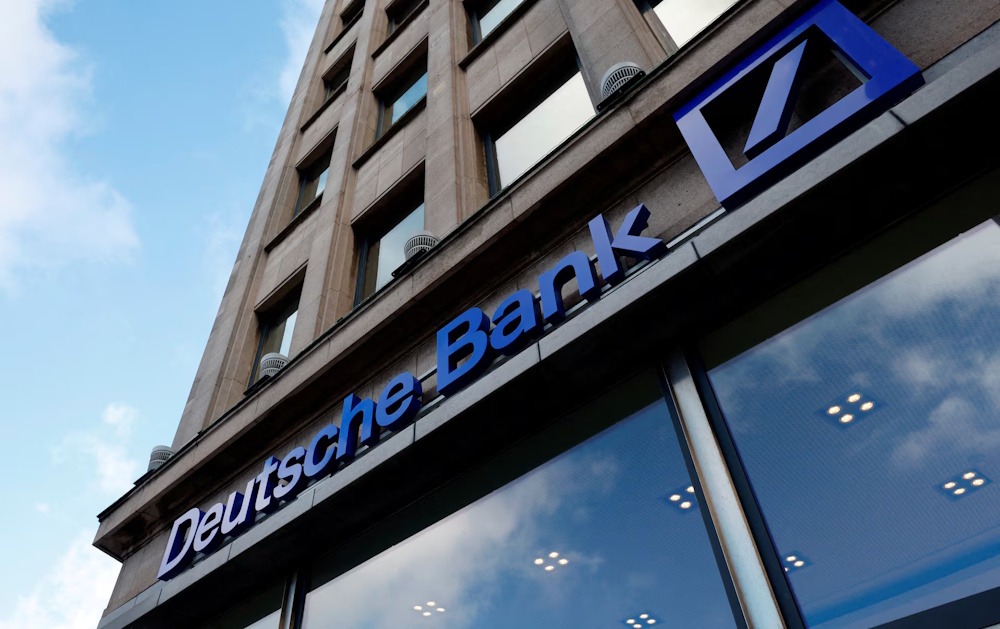
The DAX, having ascended to 25,560.39 before retreating to 25,339.80, recorded a decline of 130.65 or 0.51%, settling at 25,361.95 by midday. Deutsche Bank shares experienced an increase of more than 5% following the announcement of a record profit for the second quarter by the lender. Despite retreating from earlier peaks, the stock was still approximately 3.5% higher recently. The bank reported net income of $1.91 billion in its second quarter. Earnings per share registered at 66 cents. The bank reported revenue of $17.53 billion during the period. Its revenue net of interest expense was $9.86 billion, exceeding forecasts.
- Chemicals major BASF experienced a 2.5% increase following the announcement of a substantially higher profit in its second quarter, primarily driven by a gain from sales, alongside improved prices and elevated volumes. The firm upheld the recently revised fiscal 2026 outlook.
- Separately, the company announced a share buyback program of up to 1.0 billion euros, which is set to commence in August 2026 and conclude by the end of April 2027.
- RWE experienced an increase of nearly 2.5%. Fresenius Medical Care, Brenntag, Scout24, Hochtief, and Siemens Energy experienced an increase ranging from 0.7% to 1.2%.
- Zalando, Rheinmetall, Munich RE, Hannover RE, Vonovia, Deutsche Telekom, Commerzbank, Mercedes-Benz, SAP, Allianz, and Beiersdorf experienced declines ranging from 1% to 2.5%.
In economic news, data indicated that Germany’s import prices increased by 6.1% year-on-year in June, a moderation from May’s 6.8%, which represented the most significant rise since December 2022. On a monthly basis, import prices decreased by 0.7%, reversing the 0.7% increase observed in May and indicating the first monthly decline since December.