German stocks experienced an upward trajectory on Friday, marking a third consecutive session of gains, as apprehensions regarding interest rates and expenditures on artificial intelligence diminished somewhat. Declining oil prices also played a role in fostering a favourable sentiment within the market. Nvidia CEO Jensen Huang’s remarks supporting the financial stability of AI computing supplier CoreWeave Inc. contributed to an increase in tech stocks. Brent crude front-month futures experienced a decline to $104.91 per barrel before rebounding to $105.47, reflecting a decrease of nearly 0.5% from the prior close.
The benchmark DAX, which climbed to a more than 3-week high, was up 260.51 points or 1.03% at 25,643.13 a few minutes before noon.
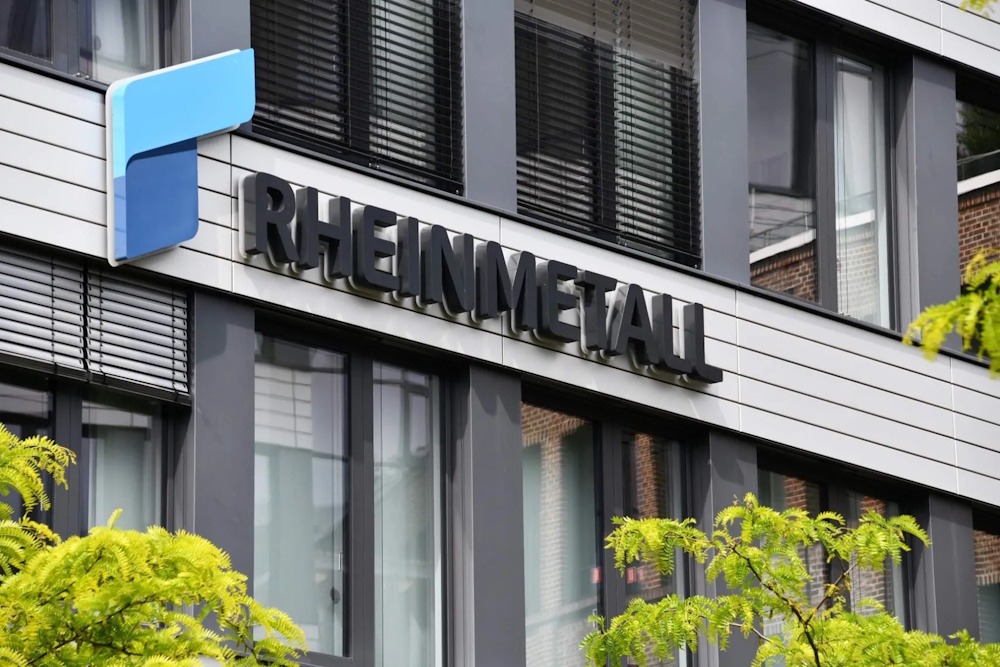
- Rheinmetall experienced an increase of 5.2%. Volkswagen experienced an increase of 3.25%, while Scout24 saw a rise of 3.1%.
- BMW and Mercedes-Benz experienced increases of 3% and 2.5%, respectively.
- Fresenius, Zalando, Heidelberg Materials, Hochtief, Siemens Healthineers, Daimler Truck Holding, and Siemens Energy experienced gains ranging from 1.5% to 2%.
- Shares of sports car manufacturer Porsche experienced a significant increase following the group’s introduction of the Mission S vision model, which highlights the future development of its design identity in alignment with the ‘Sportswagenschmiede ’35’ strategy.
- Symrise, Commerzbank, Deutsche Bank, Continental, Deutsche Boerse, Deutsche Telekom, GEA Group, and RWE experienced significant upward movement.
- Beiersdorf experienced a decline of approximately 0.5%. Meanwhile, Merck, Bayer, E.ON, and Siemens remained unchanged in their trading activity.
In economic news, the trade balance of the euro area exhibited a deficit of EUR 16.1 billion in August, contrasting with a surplus of EUR 10.7 billion recorded in July. In the corresponding period of the previous year, the deficit amounted to EUR 1.7 billion. Exports of goods experienced a notable increase of 9.9% compared to the previous year, outpacing the 8.8% growth observed in July. Concurrently, the growth rate of imports experienced a significant acceleration, rising to 16.7% from the previous 9.1%.
Eurozone inflation increased to 3.8% in September, reaching its highest level since September 2023, up from 3.2% in August. The rate aligned with the flash estimate released on October 2. Core inflation, excluding energy, food, alcohol, and tobacco, experienced a modest increase to 2.5%, aligning with estimates, up from 2.4% in the preceding month. In the latest month, the harmonised index of consumer prices increased by 0.6%, aligning with the preliminary estimate.