Tuesday’s gains in German stocks continued for a third consecutive session as confidence was boosted by lower bond yields and oil prices. As Russia partially relaxed its export limits on diesel, oil prices plummeted, easing supply bottlenecks in the world’s fuel markets. The price of Brent crude dropped by around 2% to $104.40 per barrel. By the end of 2026, Russia hopes to boost diesel exports from 3 million to 3.5 million metric tonnes per month, possibly surpassing volumes declared by US President Donald Trump and returning to pre-crisis levels, according to source.
Russia said that despite sanctions, EU nations have purchased $320.7 billion worth of hydrocarbons since 2022, including $21.3 billion in 2026. Nearly thirty minutes after noon, the benchmark DAX, which had earlier increased to 25,452.39, was up 110.98 points, or 0.44%, at 25,388.66.
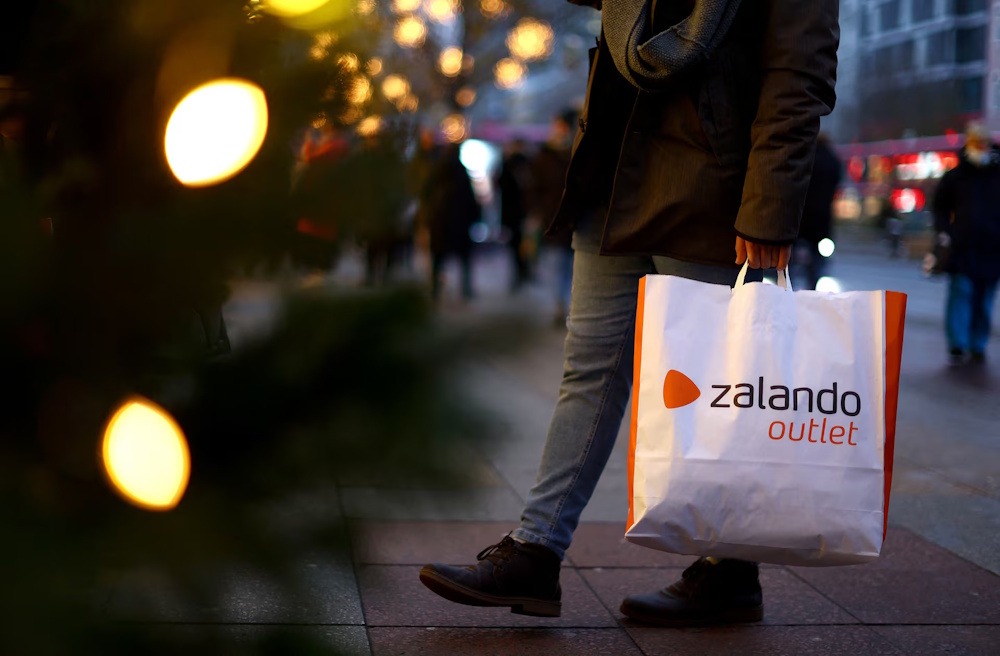
- Zalando increased by over 7.5%. Fresenius, Symrise, Siemens Healthineers, Bayer, and Siemens all had increases of 4.2% to 5.3%.
- Henkel, RWE, Gea Group, and Fresenius Medical Care all increased by 3.2% to 4%. Rheinmetall, Deutsche Telekom, Heidelberg Materials, Siemens Energy, Vonovia, BMW, Commerzbank, Allianz, and Deutsche Bank all had gains of two to three percent.
- Notable increases were also made by Qiagen, Deutsche Boerse, Brenntag, Deutsche Post, Munich RE, Mercedes-Benz, E.ON, MTU Aero Engines, Merck, Hannover RE, Hochtief, and Adidas.
- Growing competition from China’s CXMI and fresh concerns about the returns on AI investments caused Infineon Technologies to lose almost 4.2%.
- Higher energy prices caused Germany’s inflation to spike to its highest level since late 2023 in September, according to data from the statistical office Destatis.
After rising 2.9% in August, the consumer price index increased 3.3% year over year in September. The rate reached its highest point since December 2023 at 3.7% and was consistent with the flash estimate released on September 30. The expected rate of inflation in the EU, which is based on the harmonised index of consumer prices, or HICP, increased from 2.9% to 3.3%. According to data, core inflation, which does not include the cost of food and energy, stayed constant at 2.4% in September. In September, consumer prices increased by 0.6% on a monthly basis. Additionally, the HICP increased by 0.6% following a 0.2% increase the month before. Both rates were in line with the initial projections.