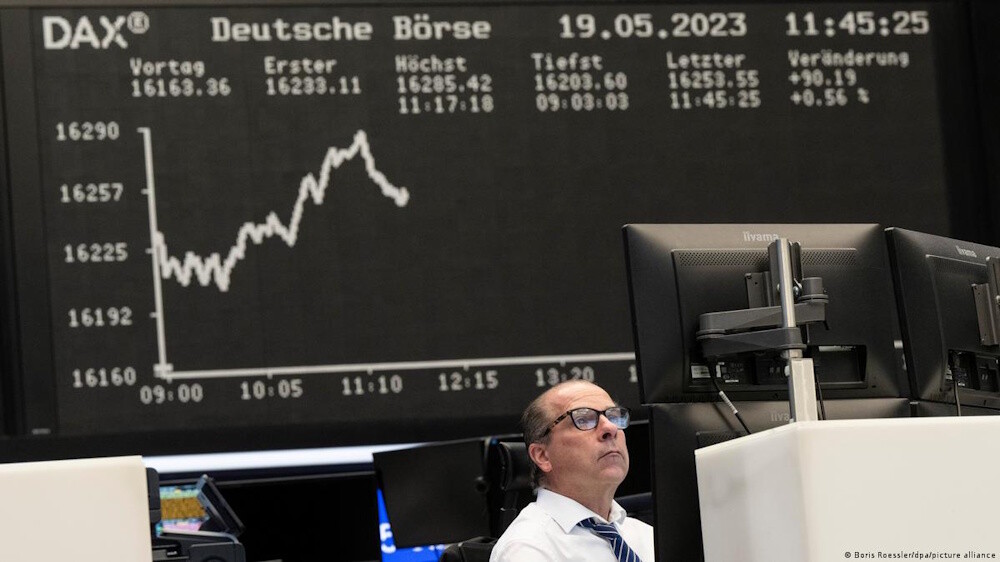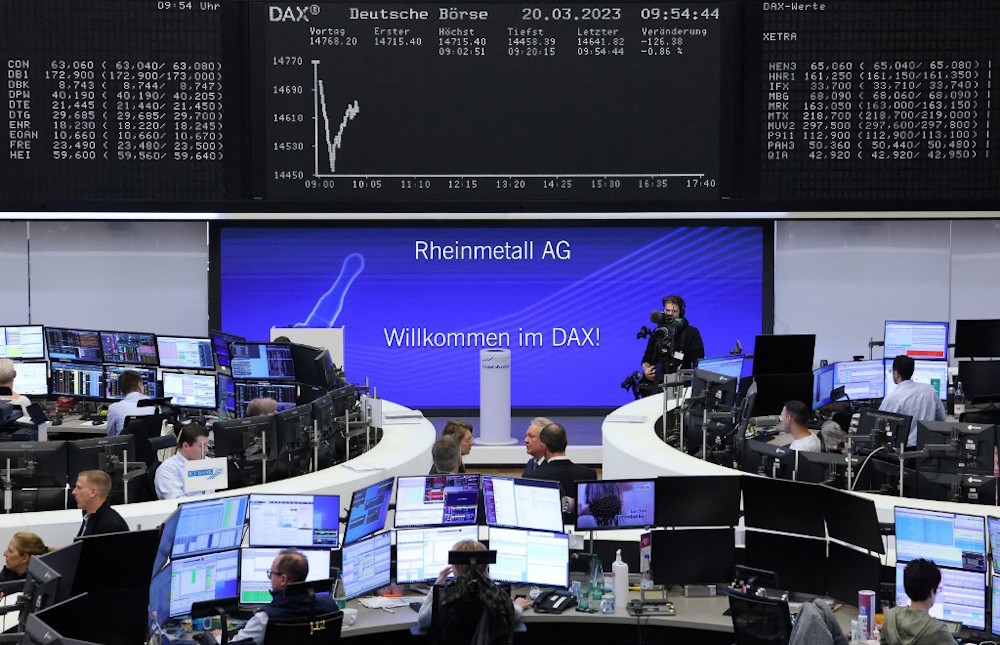
A day after experiencing a significant increase driven by renewed optimism regarding AI trade following the reinstatement of Jensen Huang as CEO of Nvidia, German stocks exhibited weakness on Tuesday as investors adopted a cautious stance, seeking new directional signals. Weak oil prices, influenced by heightened supplies from the Middle East and indications of renewed diplomatic initiatives aimed at resolving the U.S.-Iran conflict, contributed to a moderation of the market’s downside risks.
Brent crude front-month futures declined to $88.10 a barrel before rebounding to $89.19, reflecting a decrease of $0.18 from the prior close. Automobile stocks experienced a decline following the release of new data indicating that Chinese brands expanded their collective market share in October. The benchmark index was down 248.41 points or 0.98% at 25,115.29 a few minutes before noon.
- Infineon Technologies declined by 2.7%, relinquishing a portion of the gains achieved in the prior session. Siemens Energy experienced a decline of 2%.
- BASF experienced a decline of 2.1%. Commerzbank, Bayer, Adidas, BMW, Deutsche Post, Siemens, Deutsche Bank, SAP, Daimler Truck Holding, Brenntag, and Hochtief experienced declines ranging from 1% to 1.7%.
- Volkswagen experienced a decline of approximately 0.7%.
- Rheinmetall experienced an increase of nearly 2%. MTU Aero Engines experienced an increase of 1.4%, whereas RWE, Henkel, Deutsche Boerse, Fresenius Medical Care, and Hannover RE saw gains ranging from 0.9% to 1.1%. Fresenius, Scout24, and Deutsche Telekom experienced modest declines.
Data released by the European Automobile Manufacturers’ Association, or ACEA, indicated that Europe’s car market sustained its positive momentum during the January to October period. Car registrations in Europe rose by 5.4% during the first ten months of the year, according to the data. Battery-electric and plug-in-hybrid vehicles represented 23.4% and 10.2% of overall registrations, respectively. Hybrid electric cars continued to be the favoured option among EU consumers. Conversely, the aggregate market share of petrol and diesel vehicles decreased to 27.7%, down from 36.5% in the previous year.
Three of the four largest EU markets experienced robust double-digit growth in battery-electric car registrations. France recorded a growth rate of 79.4%, with Germany and Denmark following at 60.7% and 41%, respectively. Registrations of plug-in hybrids experienced growth, increasing to 961,959 units during the January to October timeframe. In October, new car registrations experienced a year-on-year growth of 2.6%, a deceleration compared to the 9.3% increase recorded in September.