
German stocks experienced a significant increase on Wednesday, driven by growing optimism regarding a potential easing of tensions in the Middle East. U.S. President Donald Trump indicated that the Iran war could conclude within two weeks if a deal to re-open the Hormuz is not reached, potentially providing significant relief to markets affected by the ongoing conflict. Despite a decline in oil prices, analysts believe that it may require an additional six to eight weeks for oil flows to return to normal levels. “Even if that peace is here tomorrow, still we will not go back to normal in a foreseeable future,” stated the European Union’s energy commissioner.
The benchmark DAX, which surged to 23,353.72, was up 527.04 points or 2.33% at 23,160.22 recently.
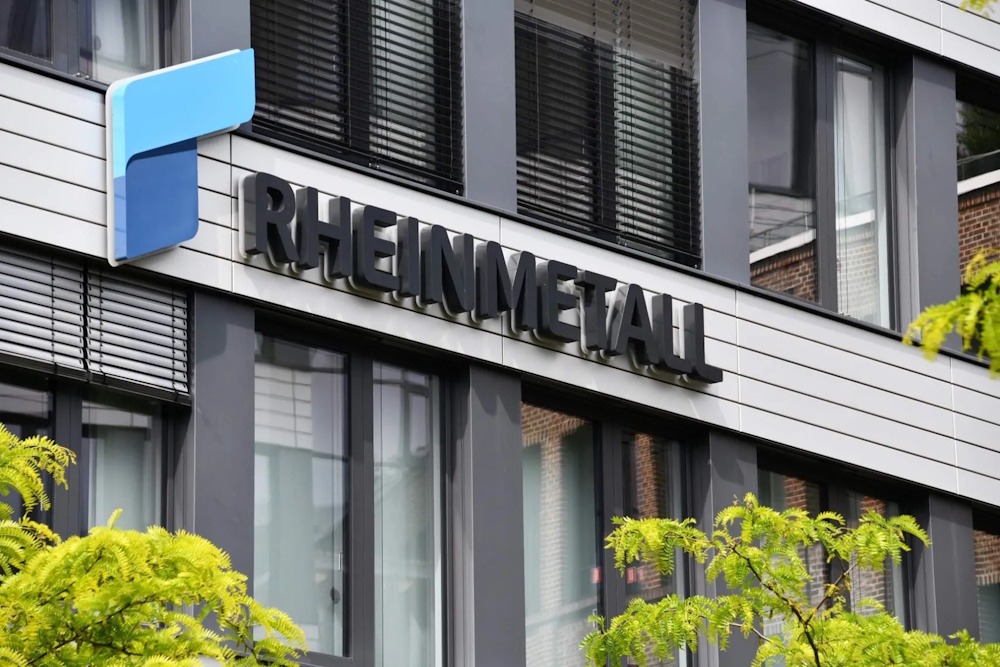
- Rheinmetall experienced an increase of nearly 6%.
- Siemens Energy experienced an increase of approximately 4.85%, Commerzbank saw a rise of 4.5%, and Deutsche Bank advanced by 4%.
- Vonovia, Continental, Heidelberg Materials, Siemens, Infineon Technologies, and MTU Aero Engines experienced increases ranging from 2.3% to 4%.
- E.ON, Deutsche Post, RWE, Allianz, Porsche Automobil Holding, Daimler Truck Holding, Volkswagen, Gea Group, Merck, SAP, Henkel, and Deutsche Telekom demonstrated robust performance with significant gains.
- BASF experienced a decline of 2.7%. Scout24 experienced a decline of approximately 2.2%.
- Brenntag, Hannover Rueck, Fresenius, and Siemens Healthineers experienced slight declines in their performance.
Germany’s manufacturing sector experienced its most significant growth since May 2022, driven by increased output and new orders in March. The primary factor contributing to the increase in the index was the suppliers’ delivery times index. Nevertheless, cost pressures escalated in the context of the ongoing conflict. The final manufacturing PMI registered at 52.2, an increase from the previous month’s figure of 50.9 and the flash estimate of 51.7. The euro area manufacturing sector experienced its most rapid expansion since mid-2022 in March, propelled by rises in production and new orders; however, the conflict in the Middle East has disrupted global logistics and heightened price pressures.
The final manufacturing Purchasing Managers’ Index increased to a 45-month high of 51.6 in March, up from 50.8 in February, and stayed moderately above the flash estimate of 51.4. Data indicated a modest increase in the unemployment rate within the euro area for February. The unemployment rate increased to 6.2% in January, up from 6.1% previously. During the corresponding period of the previous year, the unemployment rate stood at 6.3%. Forecasts indicated that the rate would hold steady at 6.1% in February. In the European Union, the unemployment rate remained unchanged at 5.9% in February. Meanwhile, the youth unemployment rate experienced a modest increase, rising to 15.3% from 15.2% a month prior.