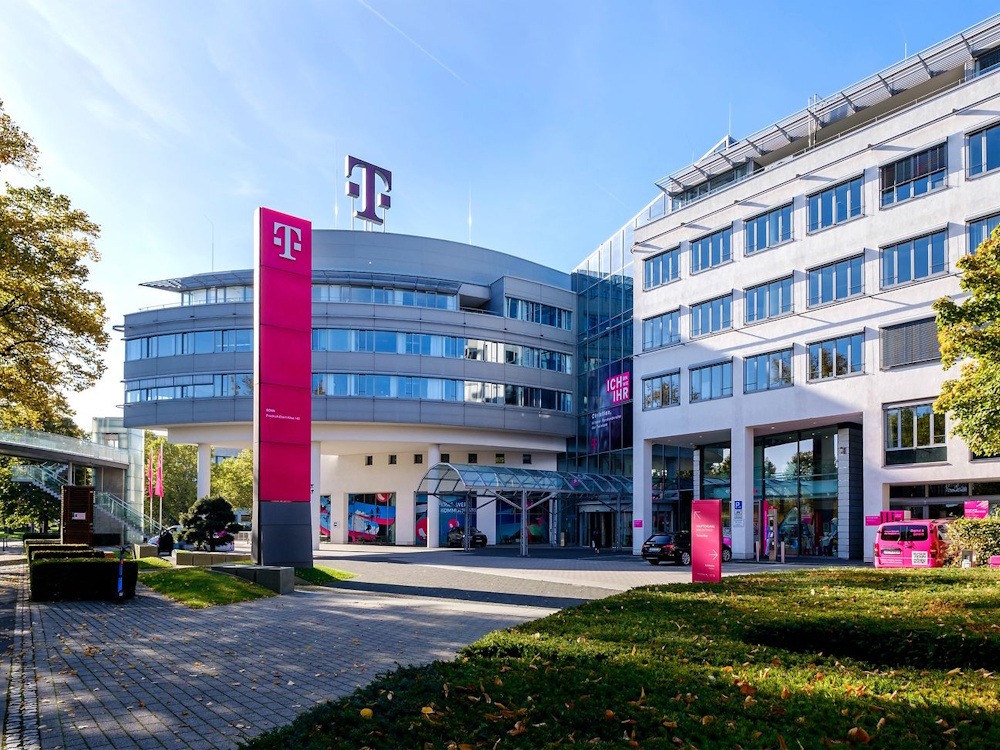
The German stock market’s benchmark index DAX experienced a modest uptick Thursday morning as investors responded to corporate earnings reports and the latest regional economic data, while also evaluating the ongoing situation in the Middle East. The DAX, having initially opened on a positive note, subsequently entered negative territory before reaching a peak of 26,210.50. It then retraced to 26,169.49, reflecting an increase of 30.45 points or 0.12% from the prior close. Deutsche Telekom experienced an increase of approximately 6% following the announcement of its second-quarter operational profit, which reached Euro 6.863 billion, compared to EUR 6.642 billion in the previous year. Net revenue reached EUR 29.933 billion in the second quarter, an increase from EUR 28.671 billion in the same period last year. The phone carrier expanded its 2026 share buyback program by as much as €3 billion. Henkel experienced a 4.3% increase, even as the company’s net income fell by 11% to 988 million euros in the first half.
Merck experienced a 1.5% increase following the company’s revision of its target corridors for full-year guidance. The company reported a net income of 494 million euros for the second quarter, compared to 655 million euros a year ago. Group net sales rose to 5.4 billion euros, up from 5.3 billion euros in the previous year, reflecting an organic growth rate of 4.1%. Zalando experienced an increase of 3.1%, while both Fresenius Medical Care and Fresenius saw movements of just over 2%. Brenntag, MTU Aero Engines, SAP, Munich RE, Rheinmetall, Allianz, Daimler Truck Holding, and Bayer experienced gains ranging from 1% to 1.7%. Commerzbank experienced an increase of approximately 0.7%. The lender reported that its second quarter net result attributable to shareholders increased to 898 million euros from 462 million euros in the prior year. Operating result increased by approximately 17% to 1.37 billion euros in the second quarter. Nordex experienced an increase of 2.5%. The wind turbine manufacturer announced that it has obtained an order from Turkerler Holding for the supply and installation of wind turbines with a cumulative capacity of approximately 525 MW.
Siemens experienced a decline of nearly 6% in its stock value, despite the company reporting an increase in earnings. The company’s net income for the third quarter increased to 2.270 billion euros, up from last year’s 2.046 billion euros. Earnings per share increased to 2.91 euros, up from 2.58 euros in the previous year. Scout24 declined by 5.6% even though it reported increased earnings. Net income rose to €63.2 million, or €0.90 per basic share in the second quarter, compared to €39.0 million, or €0.54 per basic share, in the same period last year, the company reported. Beiersdorf, Infineon Technologies, Deutsche Post, Vonovia, and Mercedes-Benz experienced moderate losses. Survey results from S&P Global indicated that Germany’s construction sector experienced a more pronounced downturn in July, as building companies reported additional declines in both total activity and new orders.
The construction Purchasing Managers’ Index recorded a value of 42.1 in July, a decline from the 44.8 observed in June. This represents the lowest score observed in a three-month period. Data from Destatis indicated that Germany’s factory orders experienced a more robust growth than anticipated in June, increasing by 3.1% on a monthly basis, surpassing the revised 0.3% increase in May and the economists’ forecast of 0.5%. New orders, excluding large scale transactions, decreased by 0.5% compared to the prior month. Data from the Federal Motor Transport Authority indicated that new passenger car registrations in Germany experienced a decline of 1.2% year-on-year in July, a notable decrease from the 15.7% observed in June. Retail sales in the Euro zone experienced a decline of 0.3% in June, following a 0.4% rise in May. Retail sales were projected to increase by 0.1% in June.