
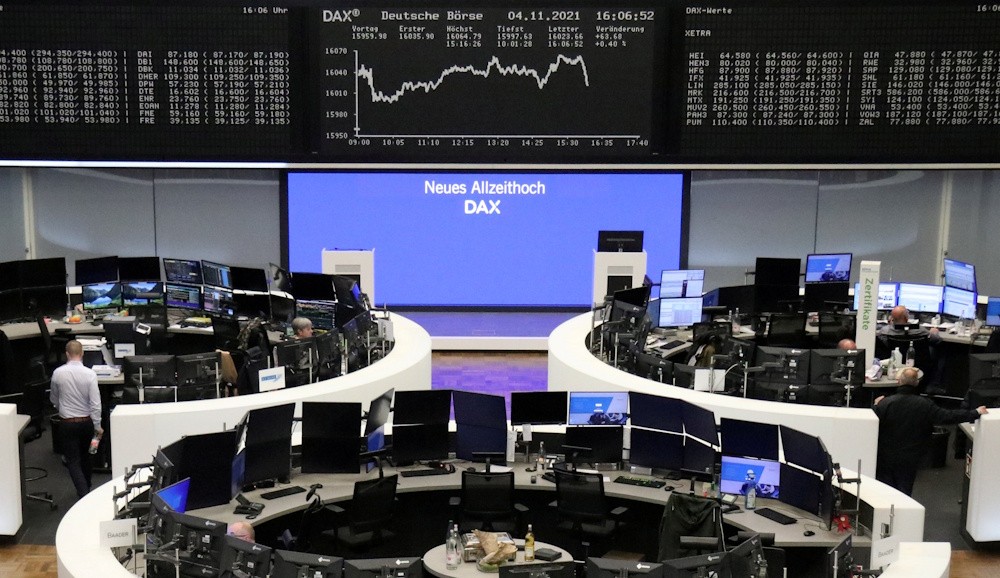
The DAX 40 index concluded at 23,447.29, reflecting a decline of 0.6% or 142.36 points, marking a total weekly loss of 4.45% influenced by a global risk-off sentiment and rising concerns regarding the conflict in Iran. The benchmark is currently situated slightly above the crucial support level of 23,000, with futures suggesting a steady opening on Monday, March 16, as European markets reopen following the weekend break. The DAX 40 experienced a decline from its intraday peak of 23,589.65, ultimately closing at 23,447.29 by the end of trading in Frankfurt on March 13. This prolonged period of instability saw the index decline by 4.45%, surpassing certain European counterparts in the face of increased volatility. Smaller indices demonstrated a wider market decline: MDAX decreased by 1.45% to 28,819.46, while TecDAX fell 0.14% to 3,574.39. It is a confirmed fact that no trading took place during the weekend of March 14-16, resulting in the spot index remaining at Friday’s level, while futures offered directional insights. Recent session volume data indicates notable spikes on down days, with 75.74 million shares exchanged during a previous +1.12% session, highlighting the strength of selling pressure.
For the DAX 40 specifically, this is significant due to the index’s substantial concentration in export cyclicals—over 40% in industrials, autos, and chemicals—heightening its vulnerability to global disruptions. A decline beneath 23,000 may aim for the previous lows of 23,000-23,300, potentially intensifying losses during a brief holiday week. Attention from investors is directed towards the ongoing conflict in Iran, which has now entered its eleventh day, while the DAX has experienced a decline of more than 6% since the escalation approximately two weeks prior. The index momentarily dipped under 23,000 before finding stability around the 23,300 support level, according to analyst insights. Oil prices continue to be the crucial link: Brent crude experienced slight increases before the market opened, directly correlating with DAX futures. Concerns are escalating regarding disruptions in the Strait of Hormuz, a critical route for 20% of global oil trade, which could exacerbate stagflation—characterized by stagnant growth coupled with increasing energy costs—in Germany.
What is the rationale for the current timing? Nearly three hours prior to the Xetra opening on March 16, IG broker futures indicated a 0.1% increase to 23,480, implying a sense of stability in the market without any new catastrophic developments. This stands in contrast to the more significant declines observed on previous Mondays; however, oil volatility continues to serve as a critical indicator for inflation and growth, according to CMC Markets’ Andreas Lipkow. Investors who communicate in English should take note: The DAX 40 acts as a key indicator for Europe’s economic cycles, featuring significant contributions from DACH exporters such as Siemens, SAP, and Volkswagen. Extended increases in oil prices diminish profit margins, impact the automotive sector through elevated input expenses, and exert pressure on the global supply chains of industrial companies. Daily charts indicate that the DAX is establishing a base around 23,000, supported by buyers despite the volatile movements from recent peaks exceeding 24,500. Historical data indicates a 3.8% pullback from the week’s peak, with support at 23,300 being closely monitored.
Futures indicate a trading environment characterized by limited movement, as positions are caught between recovery interest and concerns of a potential decline. A sustained position above 23,000 maintains the potential for upward movement toward 23,800-24,000; however, declining volume indicates dominance by sellers. On Friday, market breadth contracted, showing limited support as major players exerted downward pressure. This concentration risk increases DAX’s susceptibility compared to diversified counterparts such as Euro Stoxx 50, potentially attracting investments towards defensive assets.